

AN OPTICAL GUIDE
Frame Size Guide
Before you purchase a frame please refer to the guide below for frame dimension to suite your face:
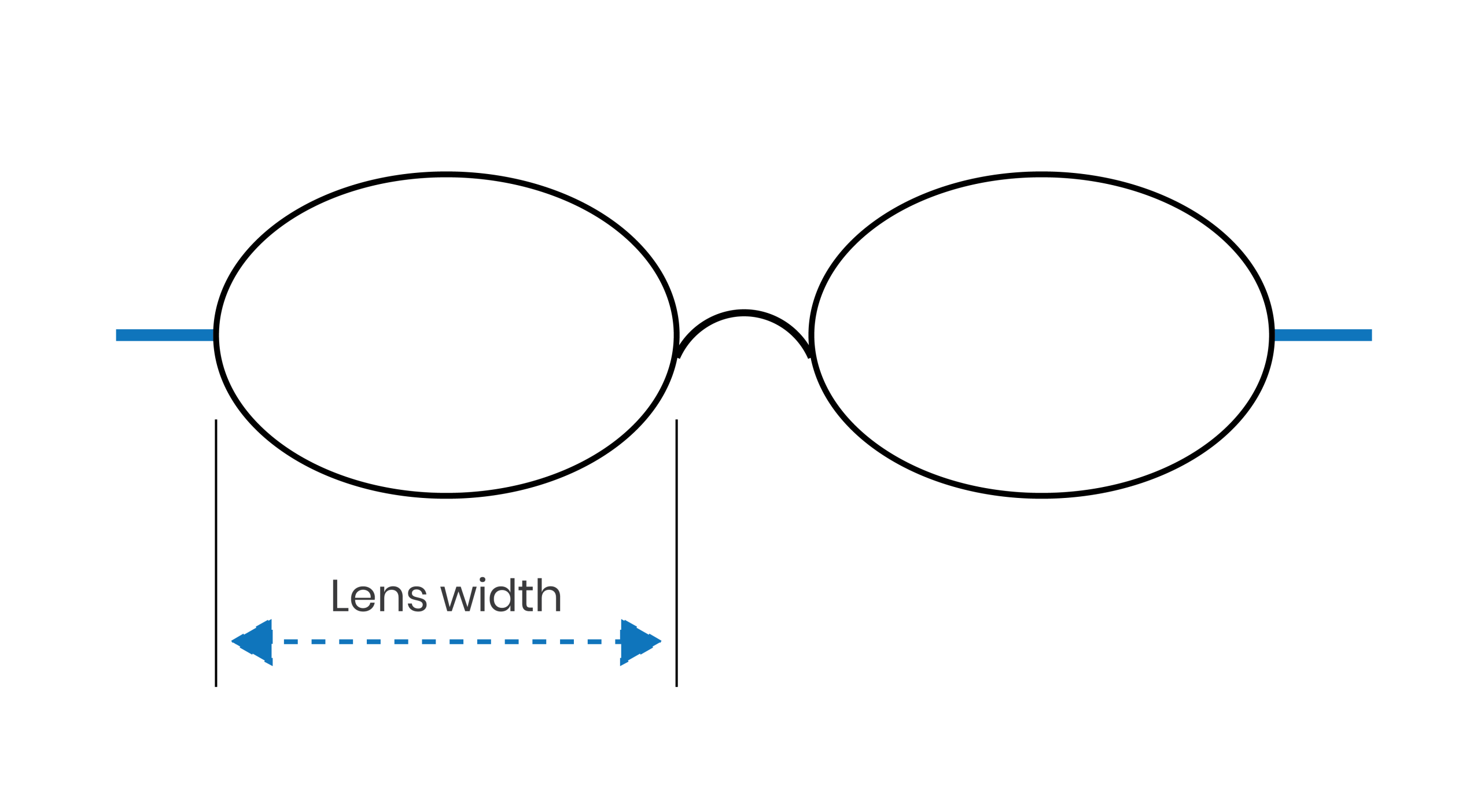
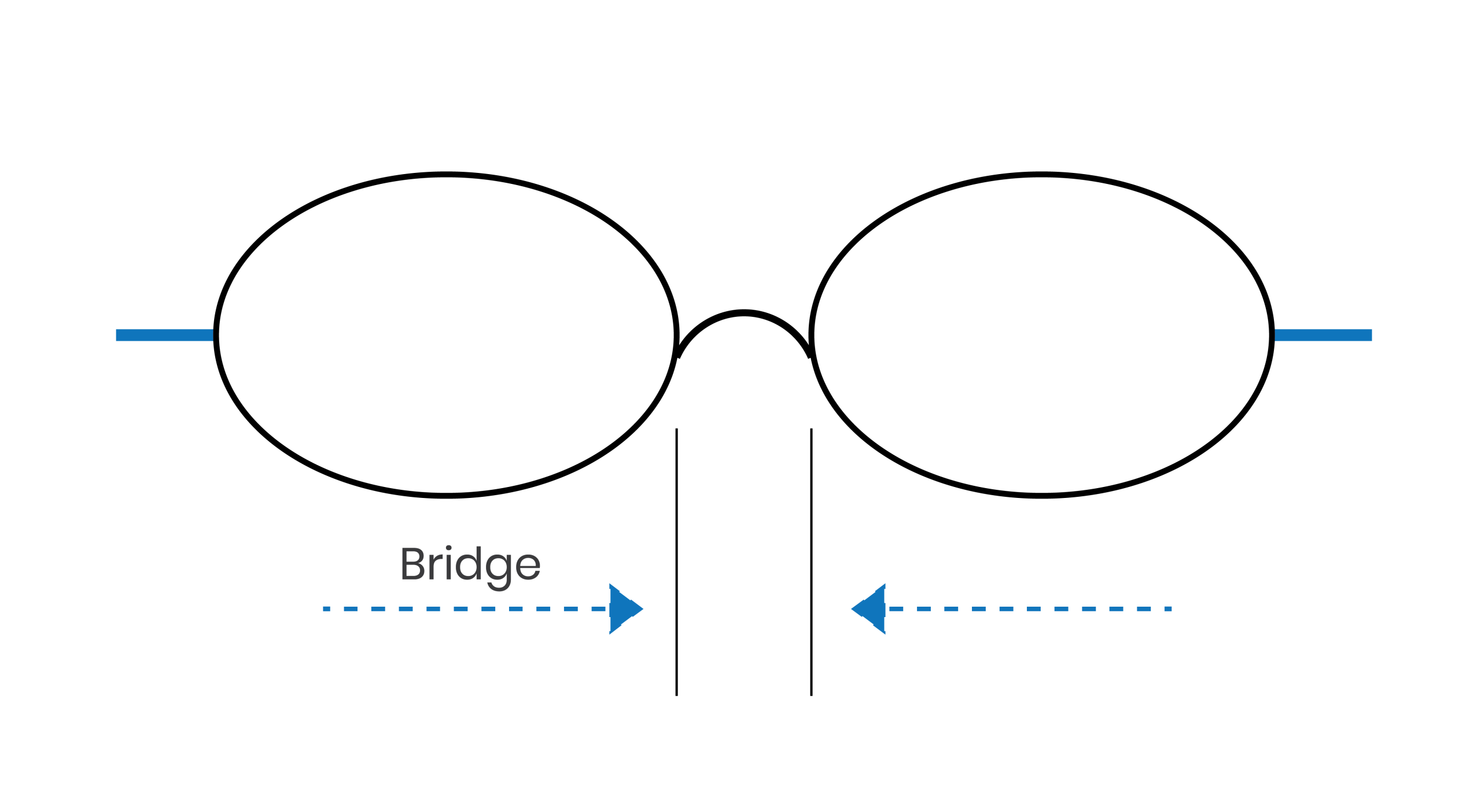
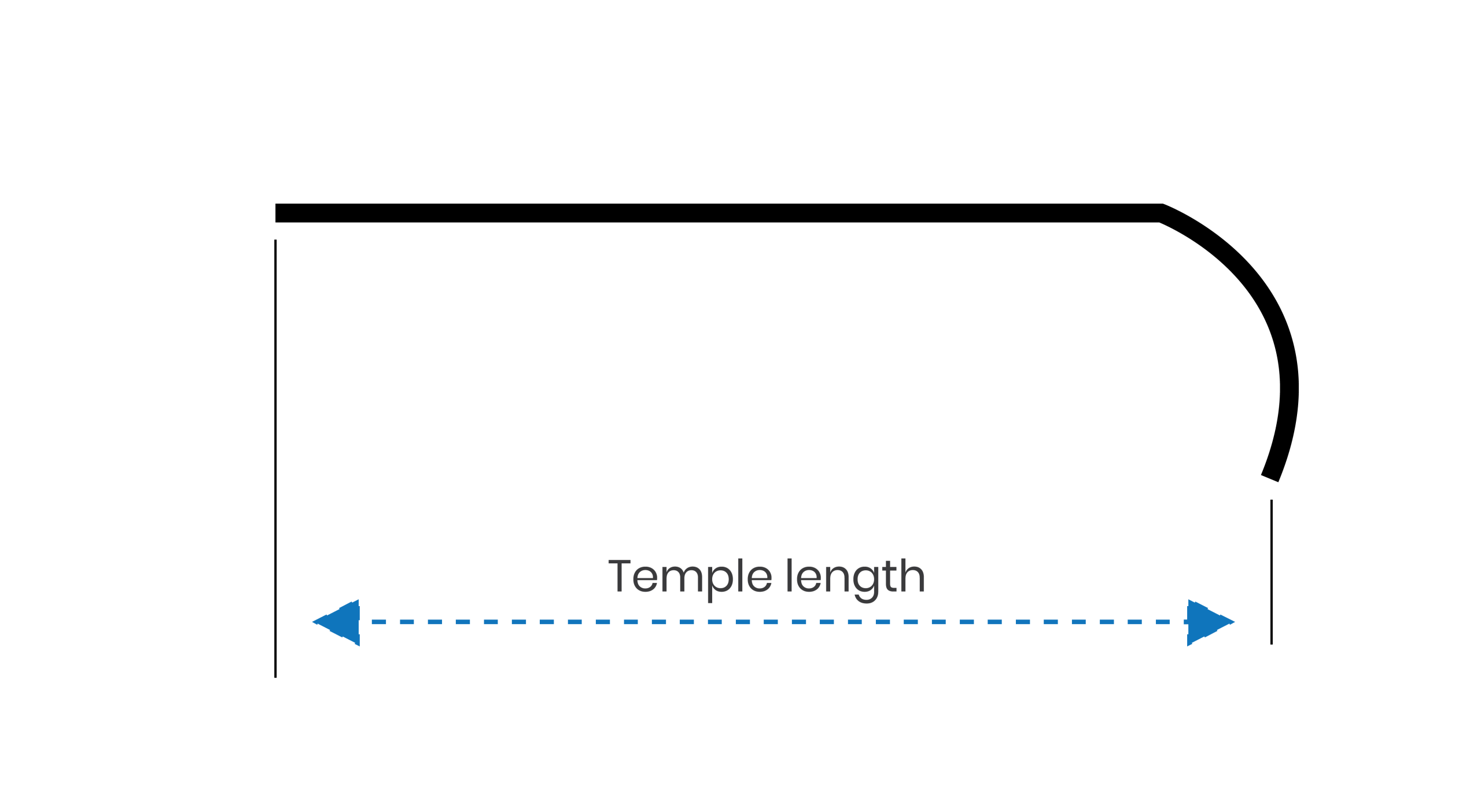
| Lens Width | Bridge | Temple length | |
| SMALL | Less than 49 | 16-17 | 130-135 |
| MEDIUM | 49 – 53 | 18-20 | 136-140 |
| WIDE | 54-59 | 21-24 | 141-150 |
| EXTRA WIDE | 60 and upwards | 25 and upwards | 151 and upwards |
On the inside of the temple the frame size is listed as a three-digit figure in the same sequence as in the above table guide: Lens width, Bridge size and Temple length.
Reading Your Prescription
For us to make prescription glasses for you we will require your prescription which is less than 2 years. Please note prescription are valid for 24 months.
| RX | SPHERE | CYLINDER | Axis | Prism | Base | Add |
| RE(OD) | -1.50 | -1 | 40 | 2 | BO | +0.25 |
| LE(OS) | +0.25 | -1 | 1 | 1 | BI | +0.25 |
| PD | 60 |
KEY:
RX – Short for prescription.
RE(OD) – Right eye.
LE(OS) – Left eye.
PD – Distance between your pupils.
A plus (+) in front of the number means you are farsighted (hyperopia).
A minus (-) in front of the number means you are nearsighted (myopia).
SPH – Sphere of the eye.
CYL – cylinder of the eye. Only if you have astigmatism the script will have CYL values.
Axis – Defines the direction of your astigmatism.
Prism – A measure of the correction required to eliminate double vision.
Base – This indicates the direction of the prism base (BO= Base Out, BI = Base In, BD=Base Down, BU= base Up).
Add – The additional correction numbers needed for close focusing (used in progressives, reading glasses or multifocal glasses).
Guide On Lenses
Lenses are designed to primarily achieve one or a combination of the following purposes:
To correct your vision.
To protect your eyes.
To enhance your vision.
Single Vision Lenses
These lenses have the same power throughout the lens surface and are designed to correct vision for one specific distance, either near or far. They are used to correct nearsightedness (myopia), farsightedness (hyperopia), and astigmatism at a single distance.
Bifocal Lenses
These lenses have two different optical powers in one lens. One part (top) is designed to correct distance vision whilst the bottom part corrects near vision such as for reading.
Multifocal Lenses
These lenses have multiple different optical powers in one lens designed to help you see clearly at multiple distances within a single lens. They are also known as progressive lenses.
Transition Lenses
Transition lenses, also known as photochromic lenses, are lenses that are designed to be clear when you are indoor and automatically darken when exposed to sunlight or UV light. They therefore offer the convenience of both clear eyeglasses and sunglasses in one pair.
UV Light (Blue Light) Lenses
These lenses are designed to filter out ultraviolet (UV) light thereby protecting your eyes from its harmful effects. Electronic devices such as computers, smartphones, television etc emit UV (blue) light and therefore it is important for your eyes to be protected from excessive exposure which can be harmful to your eyes by wearing Blue Light blocker glasses.
Enjoy exploring our products!”
